Why Does Liquid Honey Crystallize?

One of the most common questions we get at Good Morning Honey is, “Why does my liquid honey crystallize?” Many people mistakenly believe that crystallized honey has gone bad, but the truth is that crystallization is a completely natural process that actually proves your honey is pure and unprocessed.

What Causes Honey to Crystallize?

Honey is made up of natural sugars—primarily glucose and fructose—along with water, pollen, and other natural compounds. Crystallization happens when glucose separates from the water in honey and forms tiny crystals. The rate at which honey crystallizes depends on several factors, including:

  • Sugar Composition – Honey with a higher glucose content, such as canola honey, crystallizes faster while honey with more fructose stays liquid longer. WE DO NOT ADD SUGAR! These sugars are naturally occurring from the floral nectar source that the bees use to make the honey. 
  • Temperature – Honey stored below 10°C (50°F) crystallizes more quickly, which is why honey left in a cool pantry or fridge hardens faster. Ideally, honey should be stored at room temperature and not stored on a cement surface.
  • Pollen & Natural Particles – Raw honey, like ours, contains tiny pollen grains and other natural components that act as “seeds” for crystallization. This is a sign that the honey is minimally processed and full of beneficial nutrients.

Does Crystallization Mean Honey is Spoiled?

Not at all! Crystallized honey is just as delicious and nutritious as liquid honey. In fact, some people prefer the spreadable texture of crystallized honey. Since honey is naturally antimicrobial and has an indefinite shelf life, it never actually spoils.

How to Soften Crystallized Honey

If you prefer your honey in a liquid form, simply warm it up!

  1. Place the jar in a bowl of warm water (not boiling) and stir occasionally.
  2. Alternatively, use a low-temperature setting on a double boiler.
  3. Avoid using the microwave, as high heat can destroy some of honey’s beneficial enzymes and natural flavors.

Embracing Crystallized Honey

Many customers have come to love the creamy texture of crystallized honey—it’s perfect for spreading on toast, stirring into tea, or using in baking. Some honey lovers even prefer creamed honey, which is controlled crystallization that results in a smooth, spreadable delight! Our creamed honey will stay a soft texture and has a peanut butter like consistency. It  can be used just like liquid honey. 

At Good Morning Honey, we take pride in offering 100% pure, raw, and natural Canadian honey. Crystallization is just another sign that your honey is real, unprocessed, and packed with all the goodness nature intended.

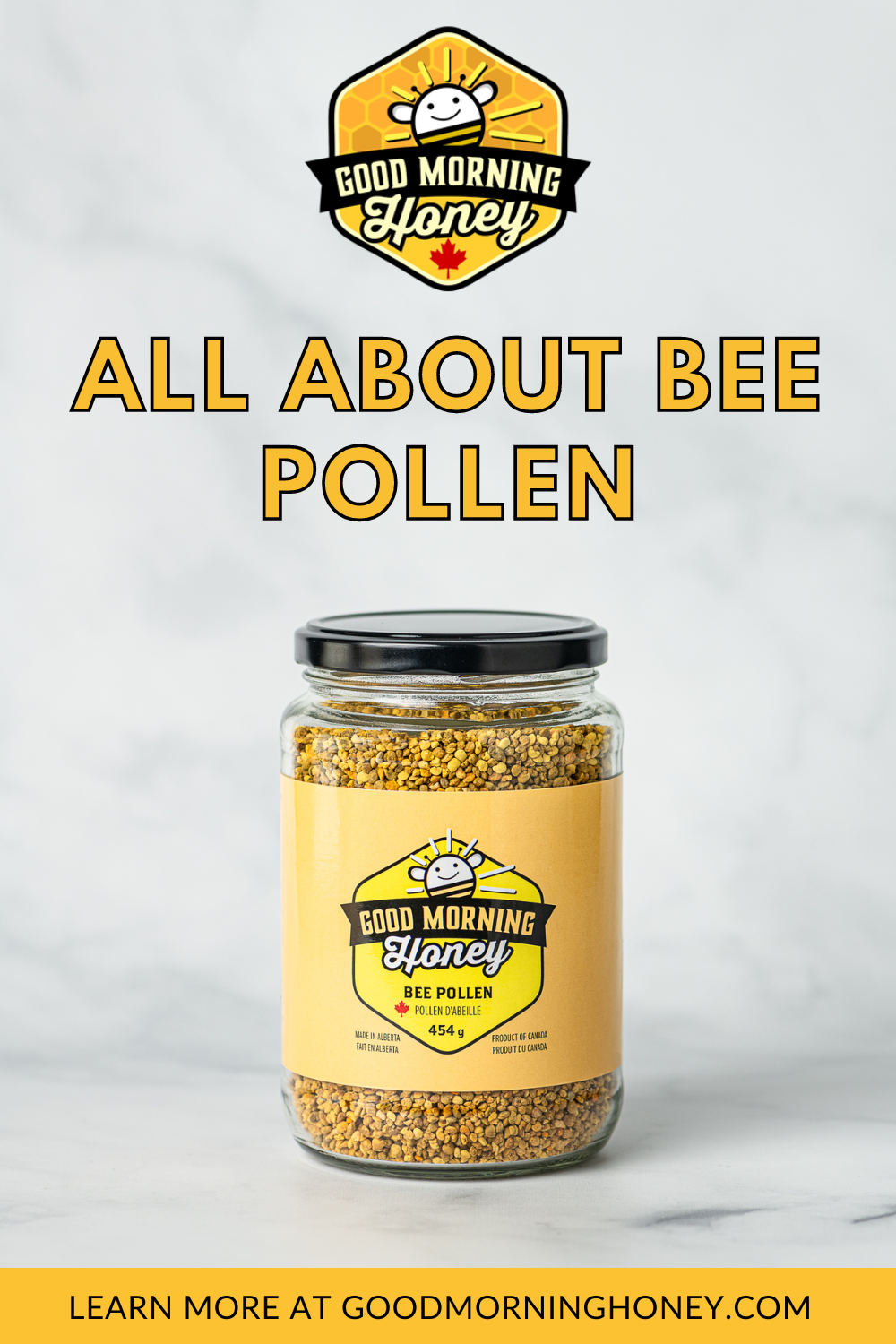
All About Bee Pollen!

Did you know there is more to honeybees than just honey and beeswax? There is another product made by these industrious little creatures in their quest for food production; Bee Pollen! This lesser-known substance has many proven (and still unknown) benefits and can be incorporated into your healthy lifestyle.

What is Bee Pollen?

Honey Bees collect pollen from flowers and shape it into a little ball or pellet, they then carry it in pollen baskets (corbiculae) on their hind legs. These foraging bees bring the pollen back to the hive, where they pass it off to other worker bees that pack the pollen into cells. The pollen is mixed with nectar, bee secretions, enzymes, honey, and wax during collection and packing. Pollen is high in protein and is the primary protein source for the hive.

Where Does it Come From?

Just like honey, bee pollen from each individual hive will have a unique composition and is specific to where the particular hive is located. Because pollen is collected from many different types of local plants, it will vary in shape, colour, and nutritional content. Pollen is the ultimate locally sourced and crafted food product!

Is Bee Pollen Healthy?

The short answer to this question is, YES! Just like honey and beeswax, pollen contains all kinds of nutrients and is often touted as a superfood.  It is a good source of tocopherol, niacin, thiamine, biotin, folic acid, polyphenols, carotenoid pigments, phytosterols, enzymes, and co-enzymes. It also contains proteins, carbs, enzymes, and amino acids, as well as antioxidants.  This amazing substance packs a heavy nutritional punch and a little bit of bee pollen every day goes a long way as a nutritional supplement.
One tablespoon of bee pollen contains:
  • 16 calories
  • 0.24 grams of fat
  • 1.2 grams of protein
  • 2.18 grams of carbohydrates
  • 250 types of nutrients including vitamins and flavonoids
While there is still more work to be done in the scientific community before many of the health benefits of consuming bee pollen can be proven, anecdotal evidence and studies show that this superfood may be useful in fighting cancer and liver damage and in treating acne, allergies, arthritis, asthma, high cholesterol, and osteoporosis. It may also enhance energy, sharpen memory, slow the aging process, promote weight loss, and improve athletic performance.
Be aware that if you are a person who suffers from seasonal allergies or who is allergic to bee stings, pollen can cause a severe reaction. 

How Do I Eat It?

Incorporating pollen is a wonderful way to add more plant-based protein (and all the other nutrients) to your diet! Simply add a teaspoon or tablespoon to your smoothie, yogurt, cereal, oatmeal, granola, baking, or salad. Or, you can just eat it straight from a spoon!
Bee pollen should be stored in a cool, dark place and kept out of direct sunlight. You can also freeze it to make it last a very long time.

Where Do I Buy It?

When purchasing pollen, it is important to make sure you are getting a product that is authentic and pure, with no added preservatives or additives. Fortunately for you, we offer pure bee pollen in our store, either in-person or online! When you buy bee pollen from Good Morning Honey, you know you are getting the very best.

Pin Me!

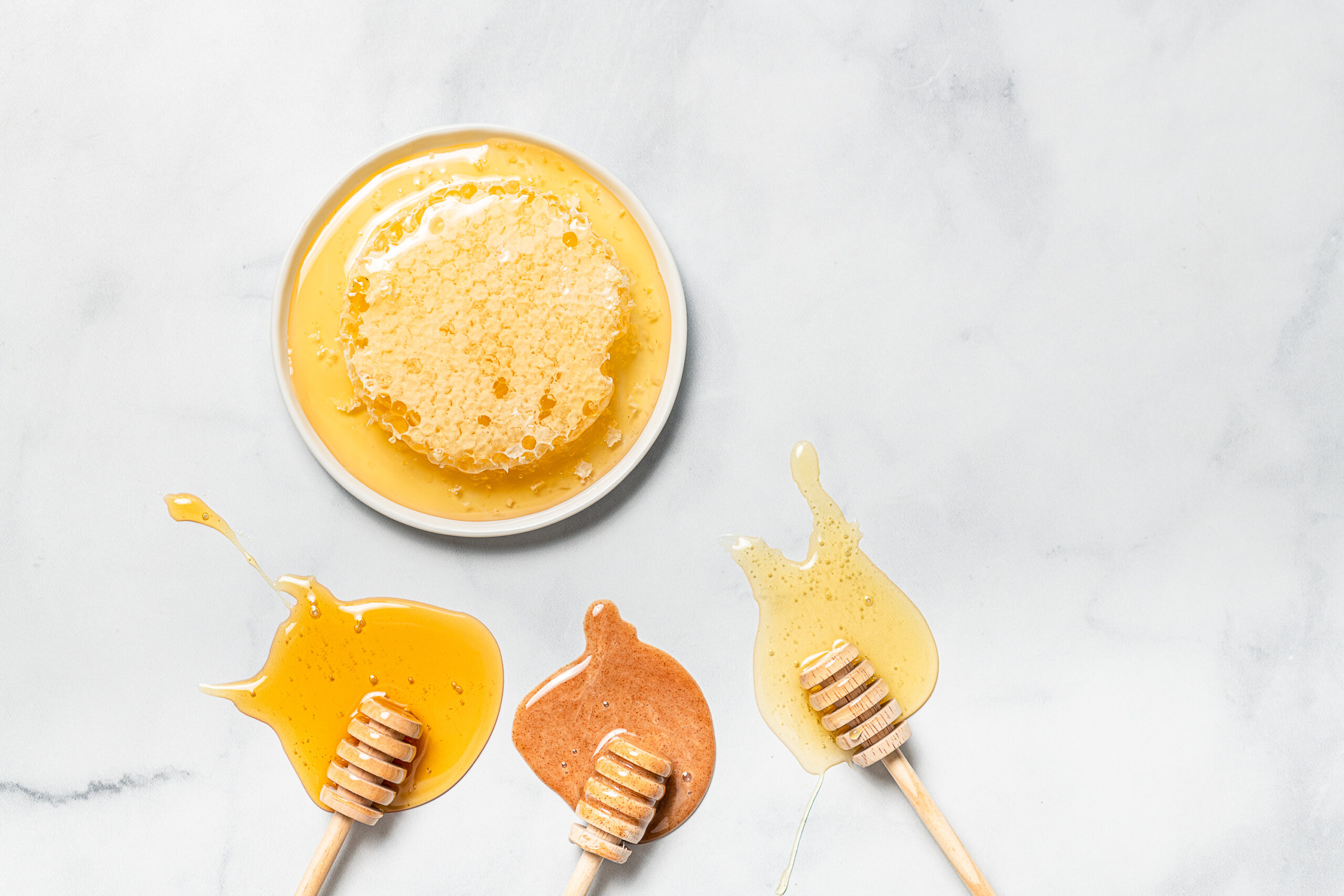
What do you do with Honeycomb?

We have been in the honey business for quite some time and many of the questions we get about our bees and their honey involve honeycomb! What is honeycomb? Is honeycomb edible? Is it good for me? We are so happy to answer all these questions and any others as they come up, but we thought we would put together this little information piece on the magic that is honeycomb straight from the hive.  

Is Honeycomb Edible?

This is usually the first (and in our opinion) the most important question people ask. The answer is, YES! It’s perfectly edible and is actually the most authentic, pure way to experience honey because humans haven’t processed or altered it in any way.  Not to mention it’s delicious too.  It’s truly nature’s candy! 

Try pairing honeycomb with: 

  • Brie
  • Ice cream
  • A nice sharp cheese on a charcuterie board
  • A spoon!

honeycomb edible with brie If you want some more inspiration, follow us @albertahoneybee where we share recipes! 

Why is Honeycomb Shaped as a Hexagon? 

We never get over the perfect hexagonal pattern of a sheet of honeycomb.  No one teaches the bees this, and they don’t need to take measurements or do any kind of math to produce it.  Just rows and rows of perfectly shaped hexagons! The best explanation we have for why the bees instinctively construct their honeycombs in this pattern, is that the hexagon is the most efficient use of space. There are no awkward corners left over that cannot be filled. The angles help the cells bear weight and work together as a whole.  The short answer? Honeybees are smart!

Does Honeycomb Expire? 

Just like honey, honeycomb has an incredibly long shelf life.  You can keep it in the freezer (to prevent crystallization) and thaw it when you want to use it or keep it in the cupboard or pantry. No need to refrigerate!

Is Honeycomb Good For Me? 

Honey (and honeycomb) is not only delicious, but it also has antiseptic and antibacterial properties! It was historically used as a dressing for wounds and as a first aid treatment for burns and cuts. It’s a great substitute for sugar, improves heart health, and honeycomb may also even boost liver function! We don’t know if the fact that you can chew the wax in honeycomb as a gum counts as a health tip or not (although it DOES serve as a  substitute for gum sweetened with artificial sweeteners), but it’s certainly a fun tidbit! 

Where Can I Buy Honeycomb?

You can purchase honeycomb online, we ship it worldwide!

If you are  in the Edmonton Area, we have our honeycomb available at our farmers’ markets or we also offer delivery!

Browse our online store to see the wide range of products available for purchase

Honeycomb is not only safe to eat… it’s a healthy, tasty, sweet treat that is actually good for you.

Be sure to follow us @albertahoneybee for recipes and all things honey related! 

Pin Me!

Pysanky

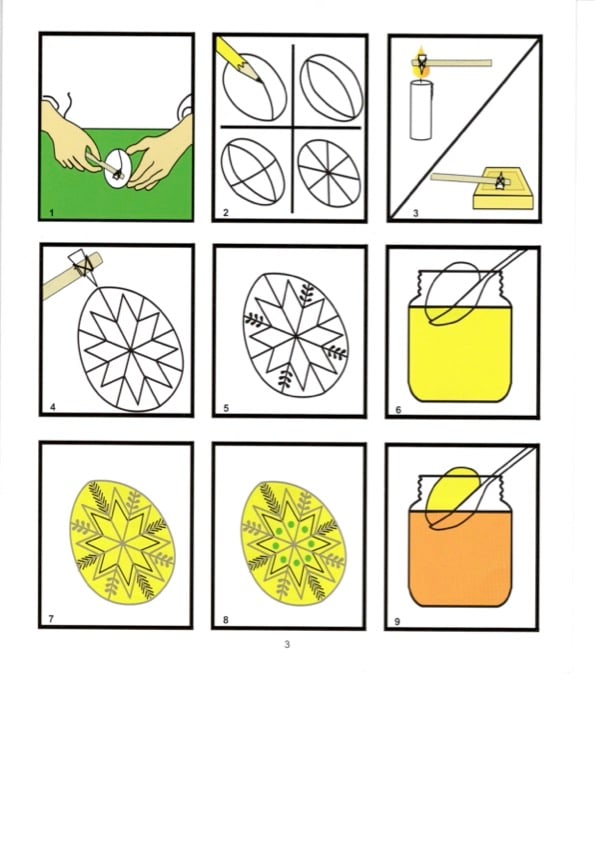
How to Decorate Pysanky

Decorating Ukrainian Easter eggs or Pysanky is a tradition in our family. Both sets of Richard’s Grandparents emigrated from Ukraine. Richard grew up in a strong Ukrainian – Canadian family in North Eastern Alberta and we are proud to pass his heritage on to our children.

Here are some great, easy to use instructions on how to decorate Pysanky.

Click here to open the PDF file.